a practice-based film that traces how memory is held, transmitted, and reactivated through the body, merging live biodata sonification and movement to reveal the intimate entanglement between human presence, environment, and inherited histories.
Project Overview
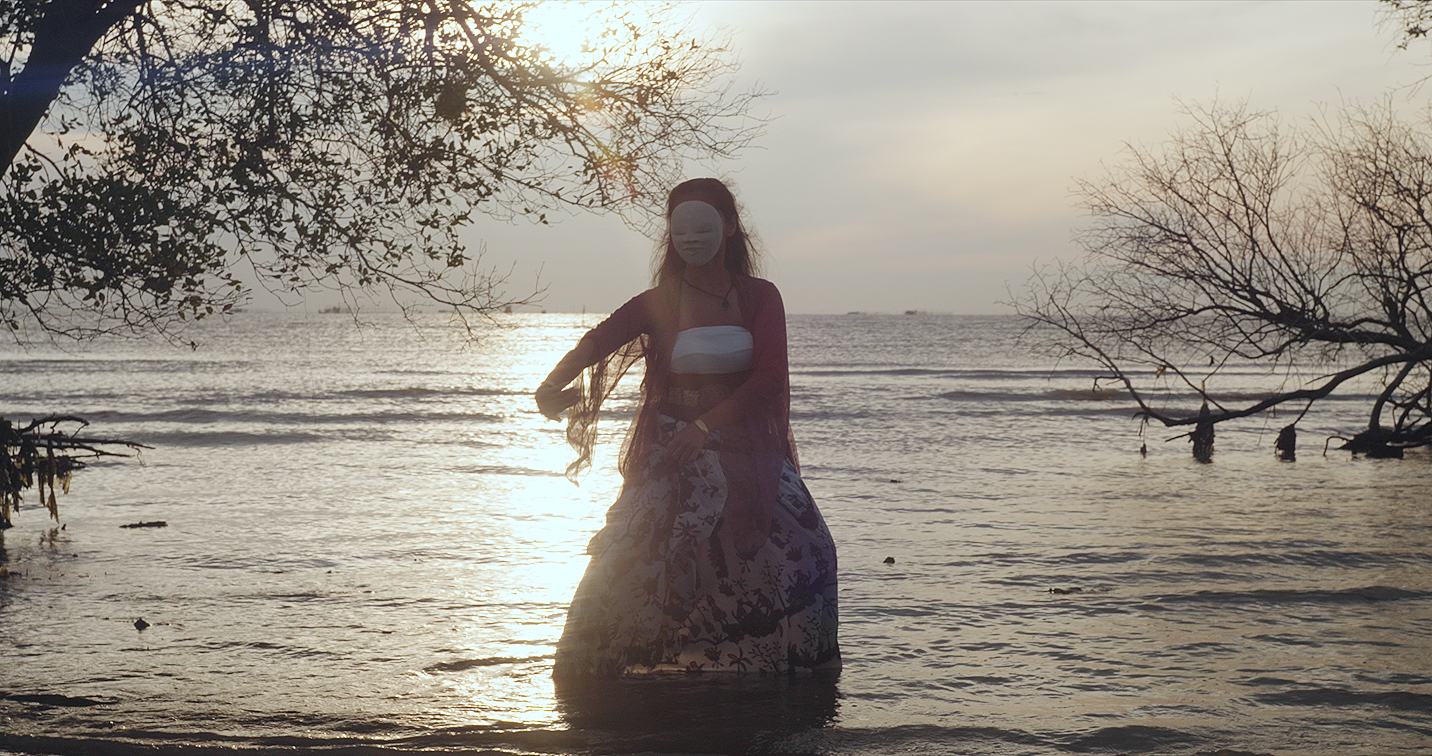
The Body Remembers is an interdisciplinary moving image work that investigates how the body holds and processes memory in relation to its surrounding environment. The project brings together audiovisual media, performance, and real-time sound generation to explore embodiment as both a sensory and relational experience.
Positioned between film and live practice, the work unfolds through a process-driven approach that prioritizes lived experience, responsiveness to space, and collective exploration.
Approach
This project examines the body as a site where memory is not only stored but continuously activated through interaction with space, environment, and others. It considers how inherited experiences—cultural, emotional, and environmental—manifest through gesture, movement, and perception.
Drawing from interdisciplinary approaches across film, performance, and sound practices, the work engages questions of positionality, presence, and the relationship between internal states and external conditions.
Conceptual framework
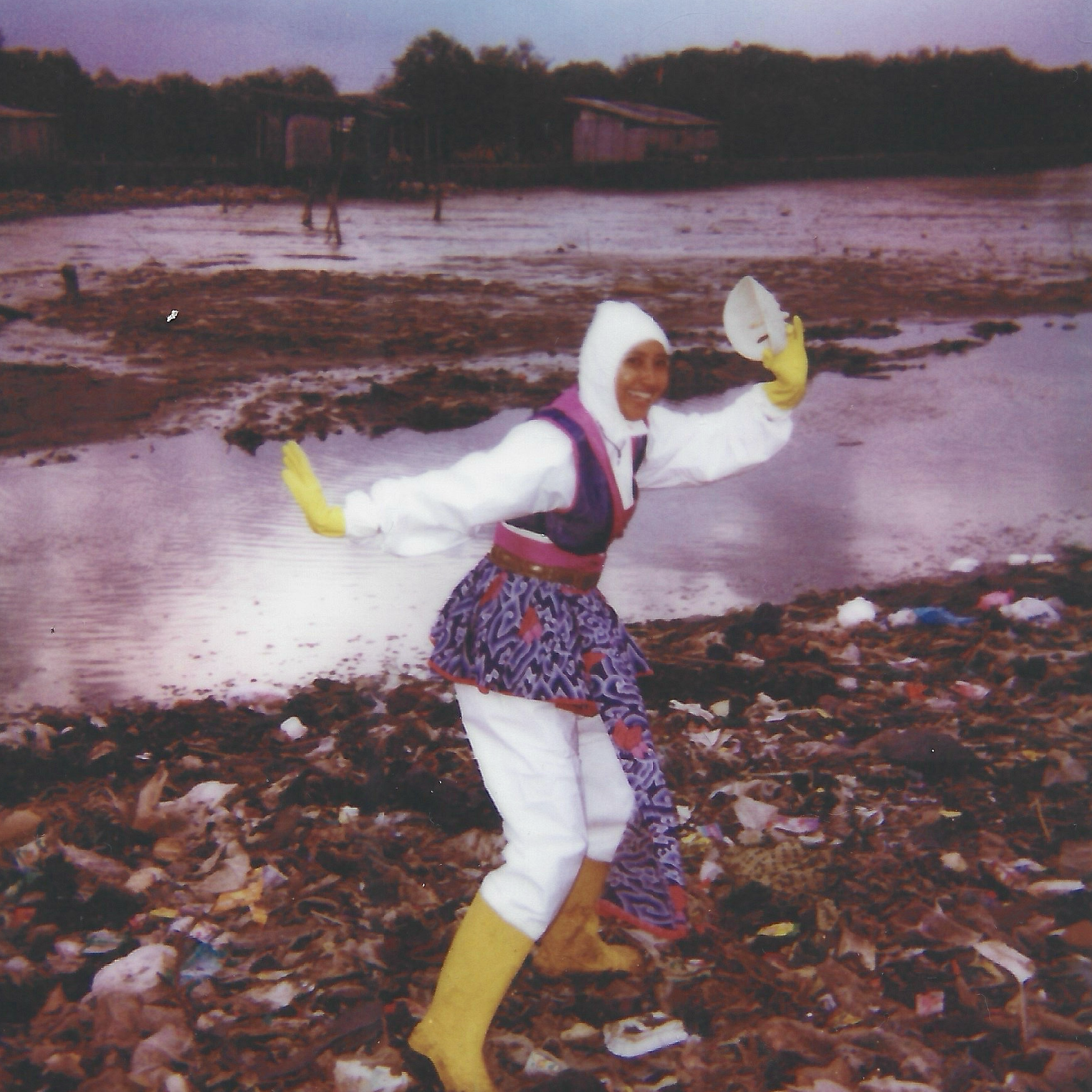
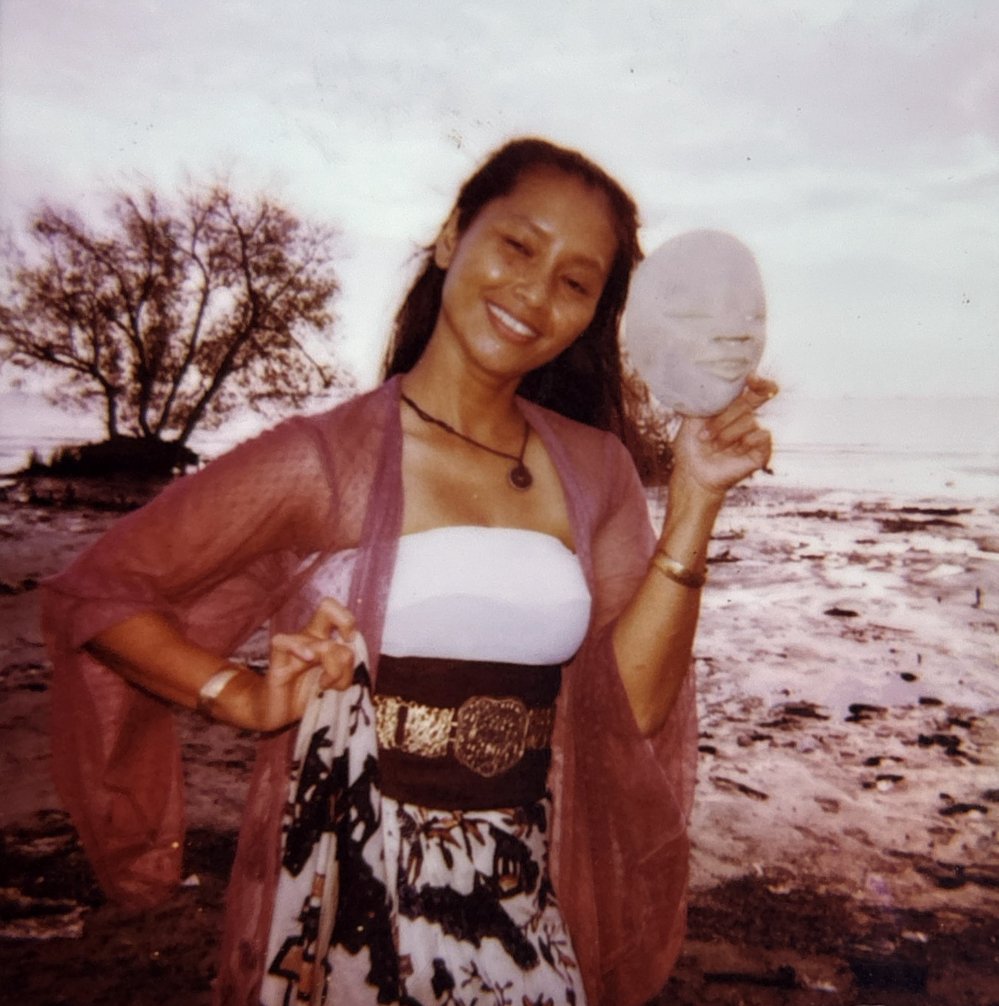
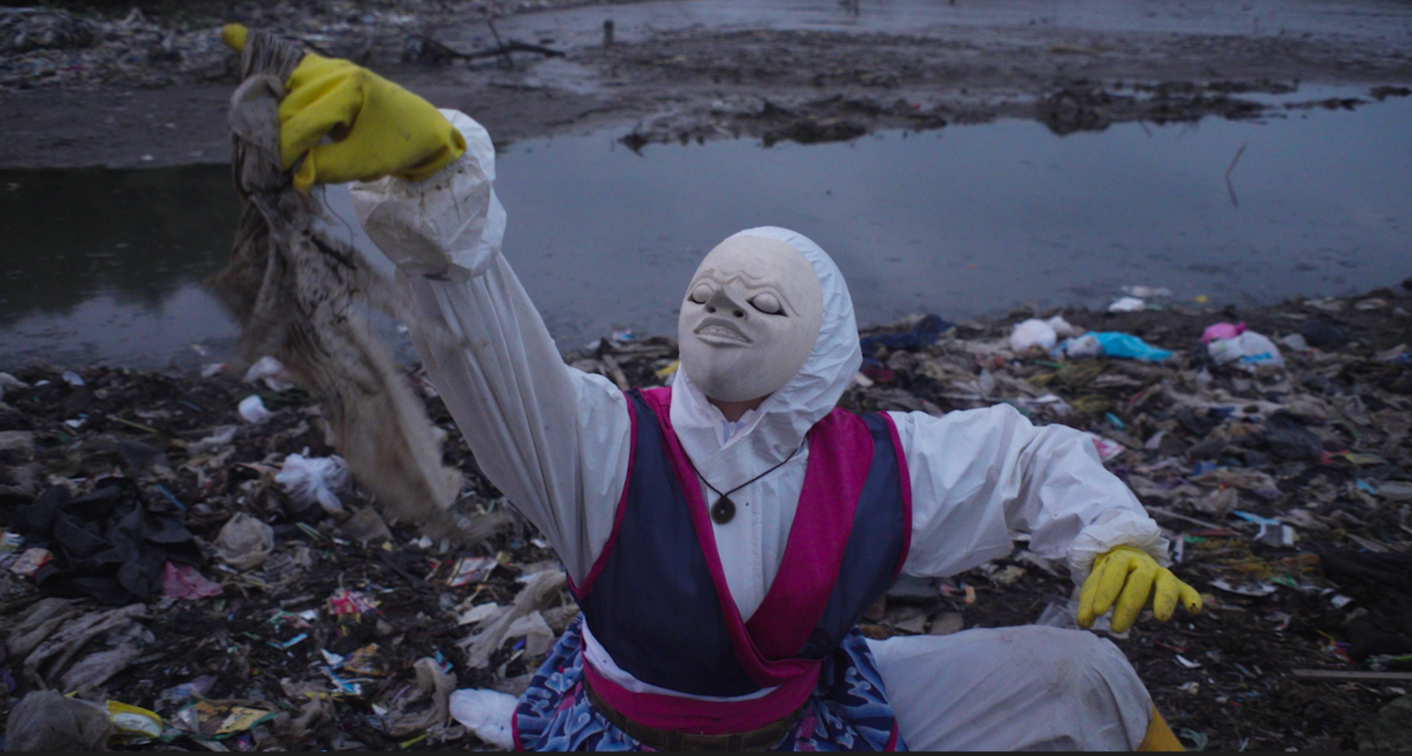
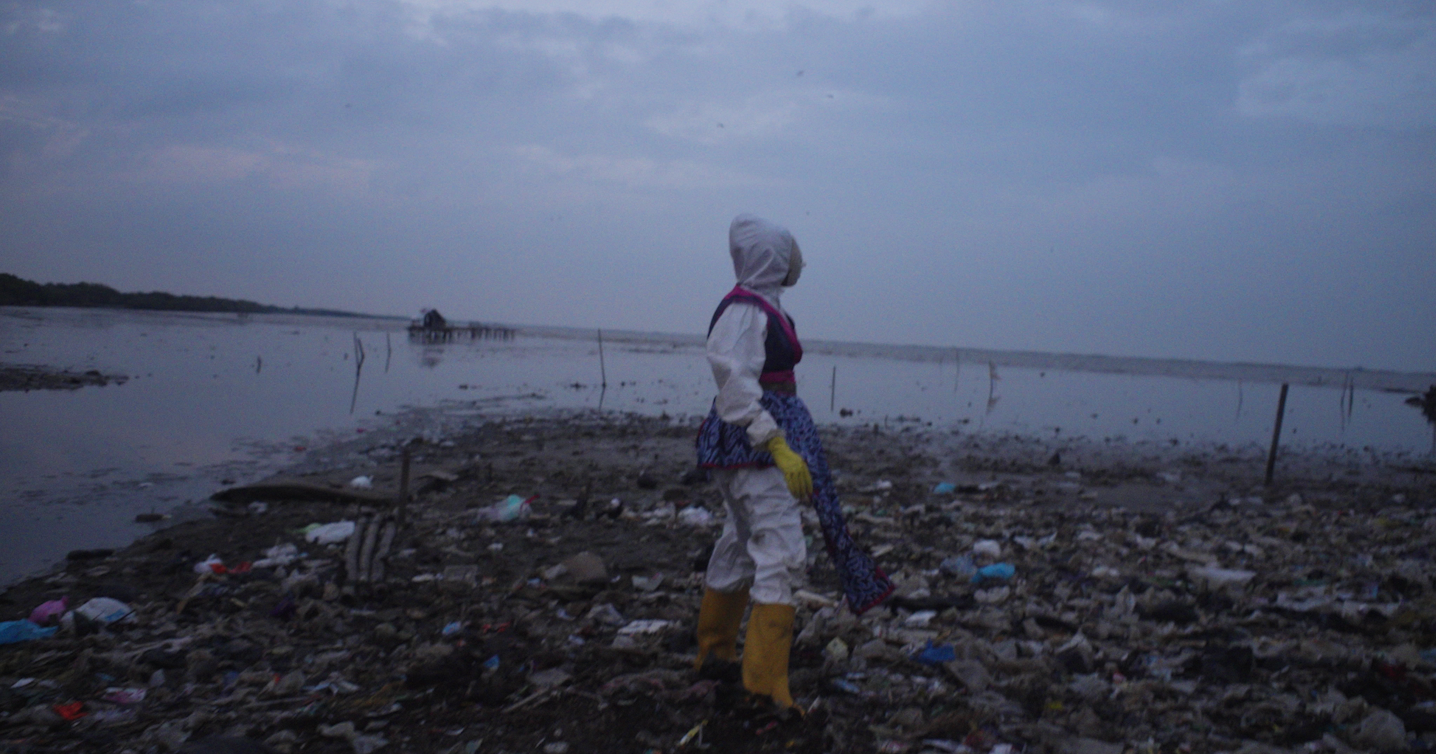
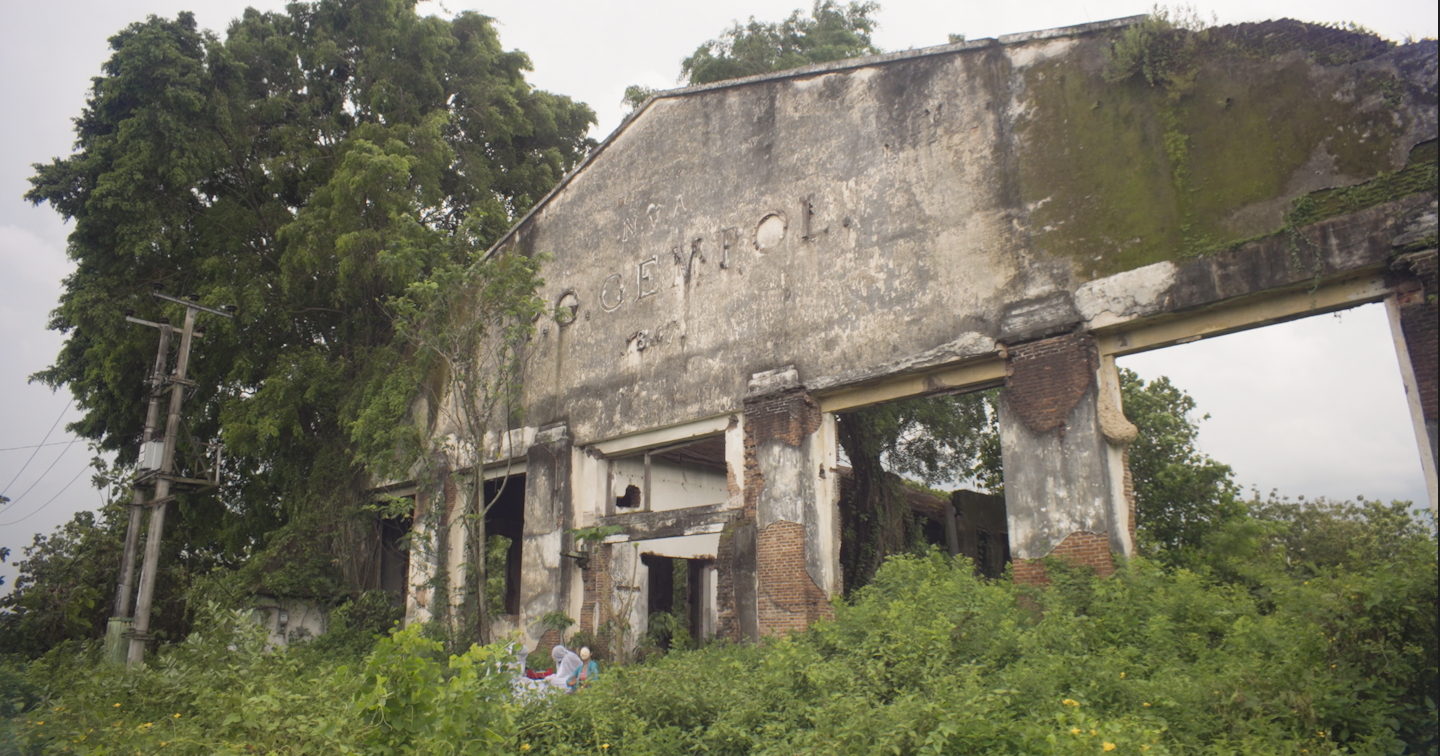
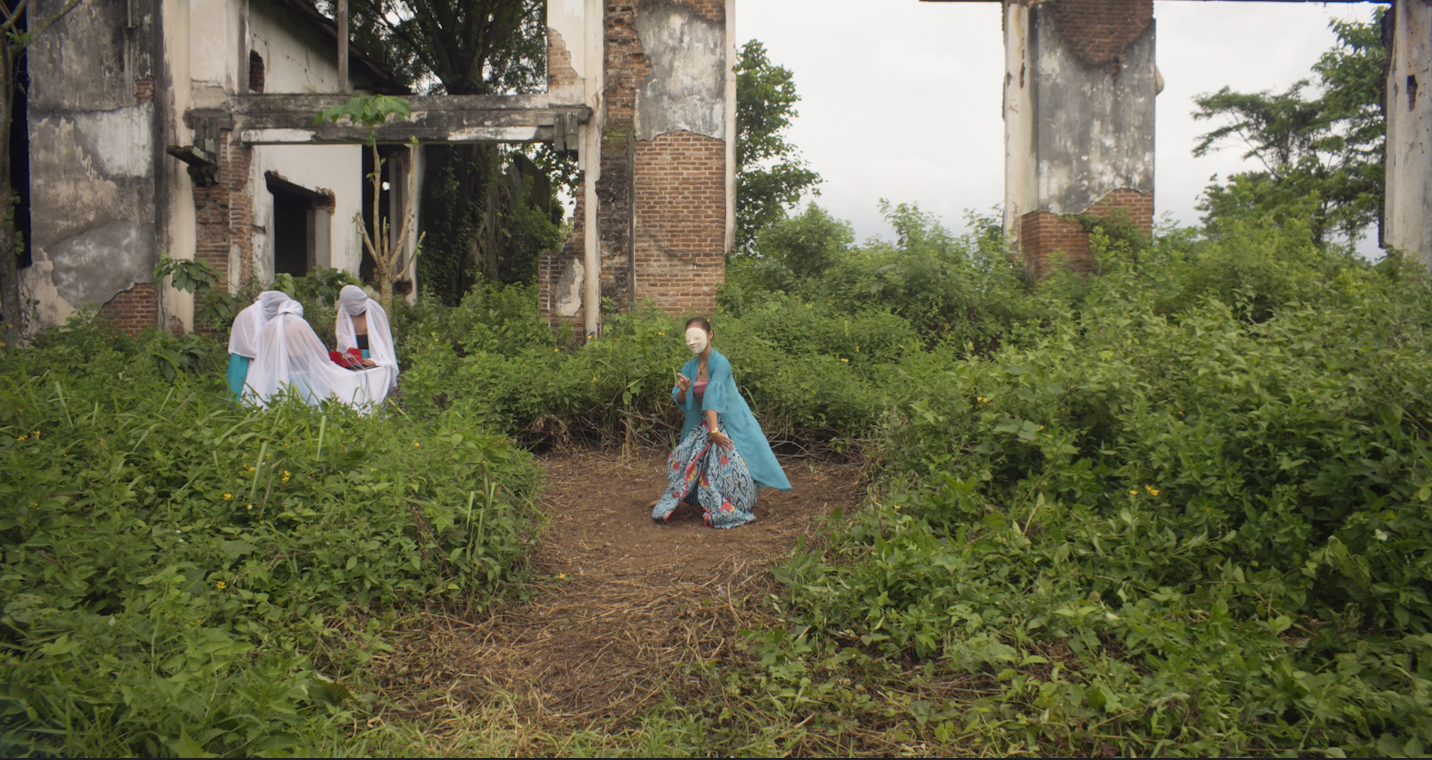
The Body Remembers explores how bodies and environments are shaped through their relationships with one another. Set across coastal and industrial landscapes in Cirebon, the work moves through spaces marked by transformation, where land and identity are continuously shifting rather than fixed. Within these conditions, the body is not understood as stable or self-contained, but as something porous—formed through contact with history, material surroundings, and lived experience.
The project approaches nature as dynamic and unruly, resisting clear boundaries or singular definitions. Difference, variation, and instability are not treated as deviations, but as fundamental qualities of life itself. In this sense, the work traces how both bodies and landscapes exceed attempts to categorize or contain them, opening space for ways of being that are fluid, multiple, and in constant transition.
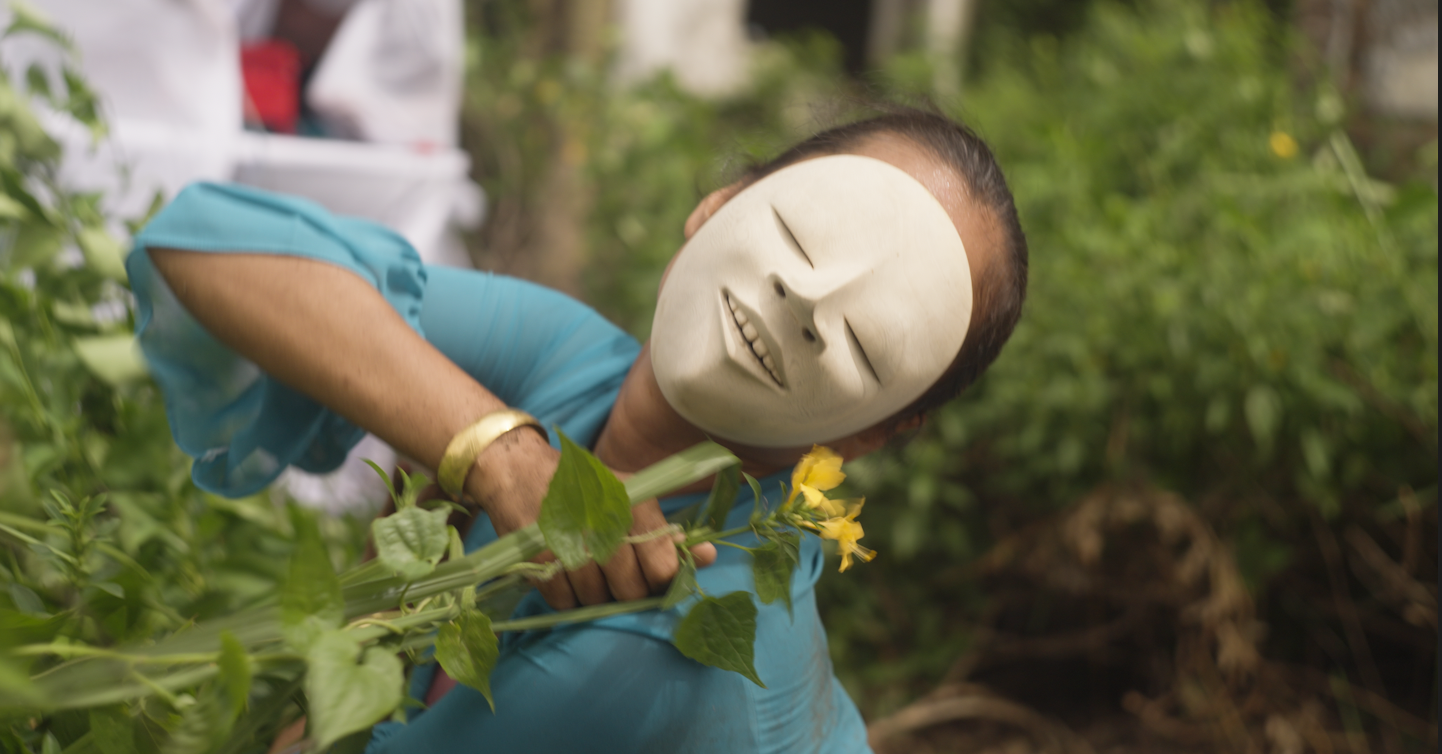
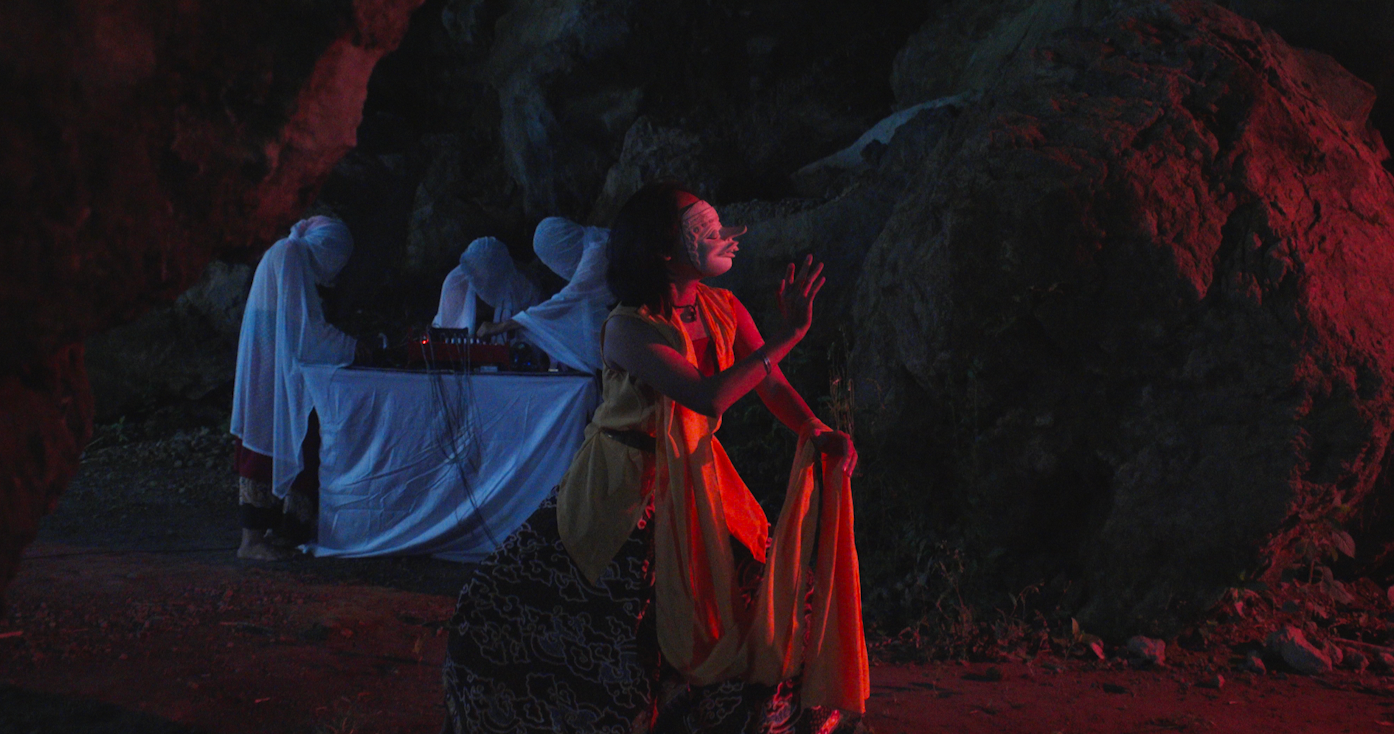
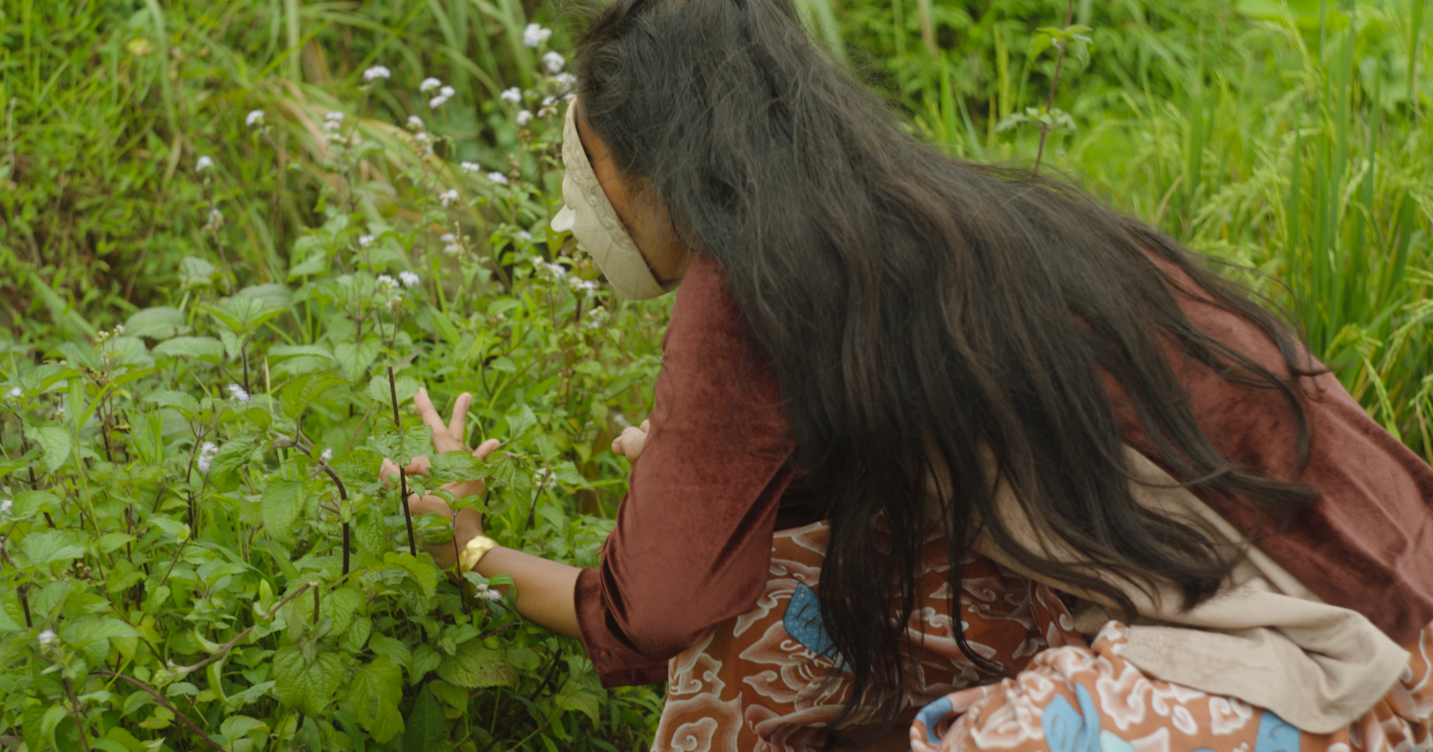
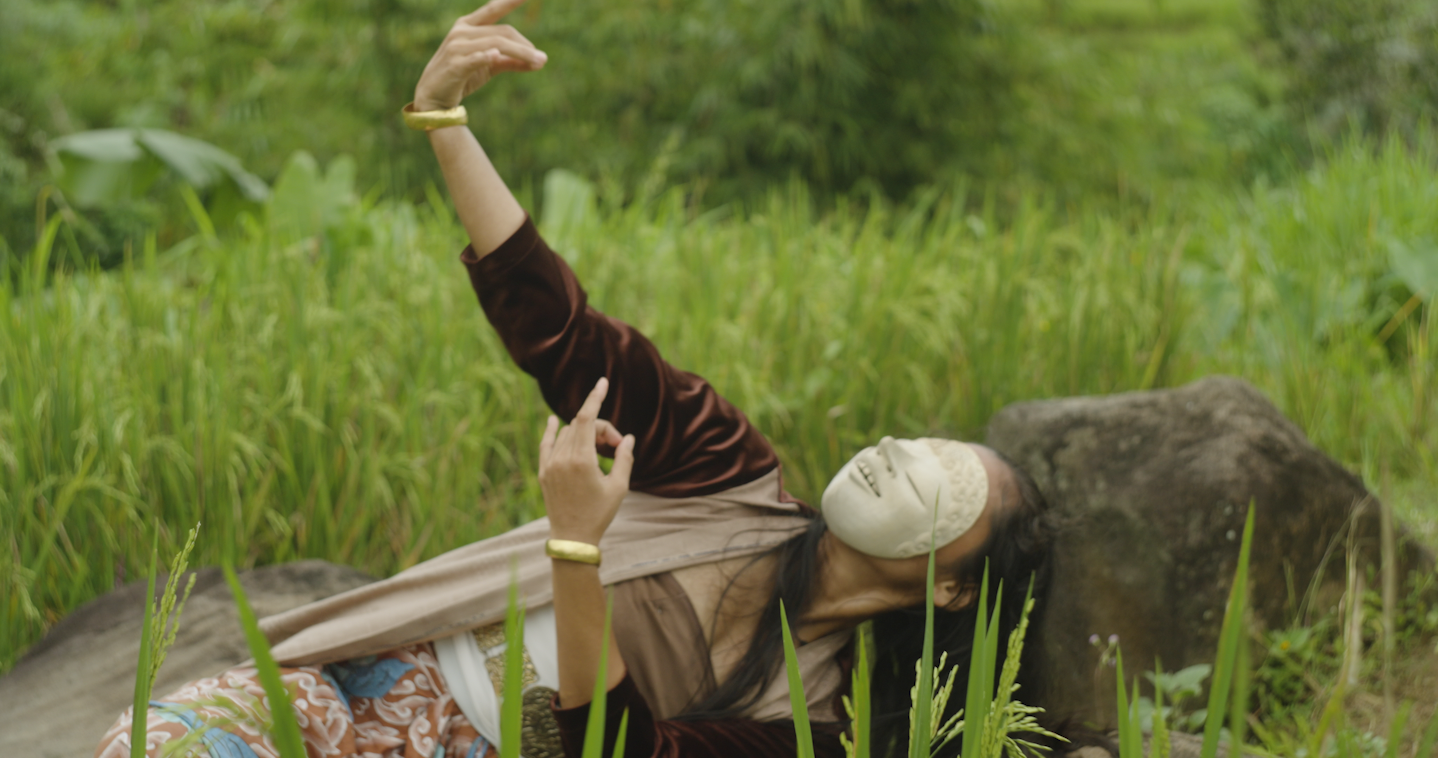
Through movement, sound, and sustained attention to place, the film brings the body into direct relation with its surroundings. Each gesture is shaped by terrain, texture, and atmosphere, while the environment in turn is activated through presence and duration. Organic materials gathered from each site are translated into sound, creating a feedback loop in which the body listens and responds to the land, and the land becomes part of the performance.
Rather than separating the physical from the intangible, or the human from the more-than-human world, the work holds these elements together. It draws from ways of understanding where meaning is not abstract or distant, but emerges through doing—through repetition, contact, and lived engagement. In this sense, the film functions less as a representation and more as a process, where memory unfolds across bodies, landscapes, and time.
The Body Remembers ultimately suggests that memory does not belong to the individual alone. It takes shape through ongoing encounters—between body and land, movement and matter—where histories remain present, not as fixed narratives, but as forces that continue to move, shift, and resonate.
My practice explores how the body functions as a site of memory, negotiation, and transformation. In The Body Remembers, I am interested in how sensory experience—sound, movement, and environment—can reveal forms of knowledge that are not easily articulated through language.
This work reflects an ongoing investigation into process, embodiment, and the ways in which personal and collective histories are carried and reactivated through the body.
Methodology
Sound
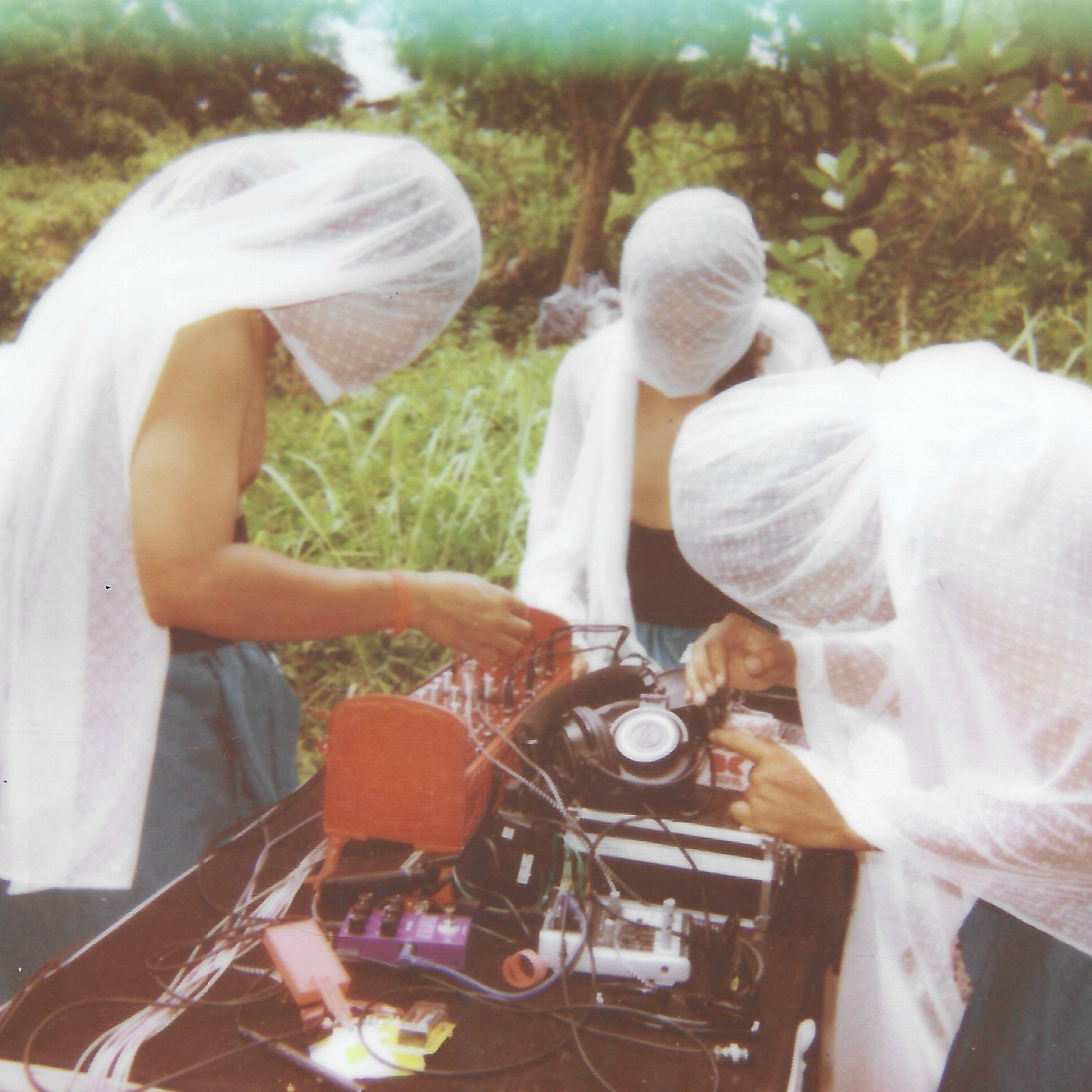
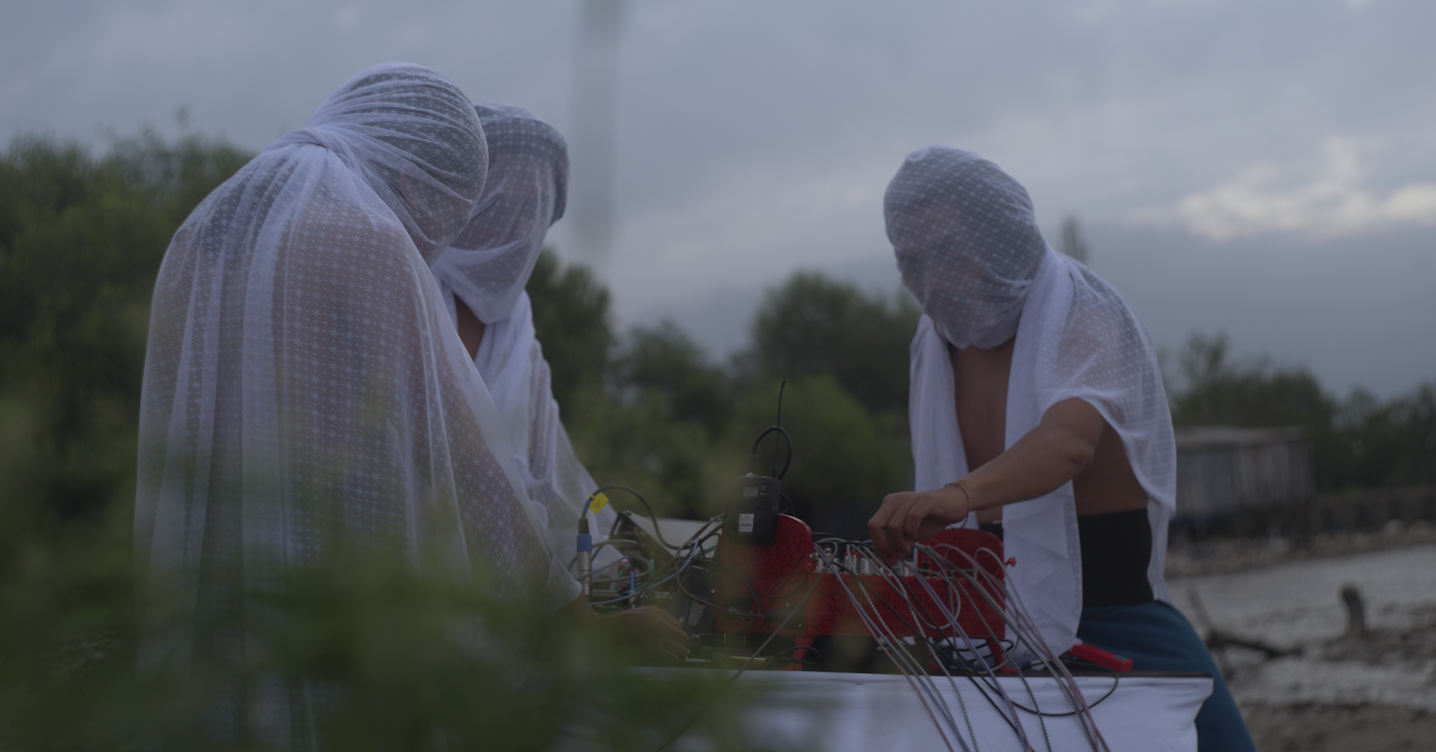
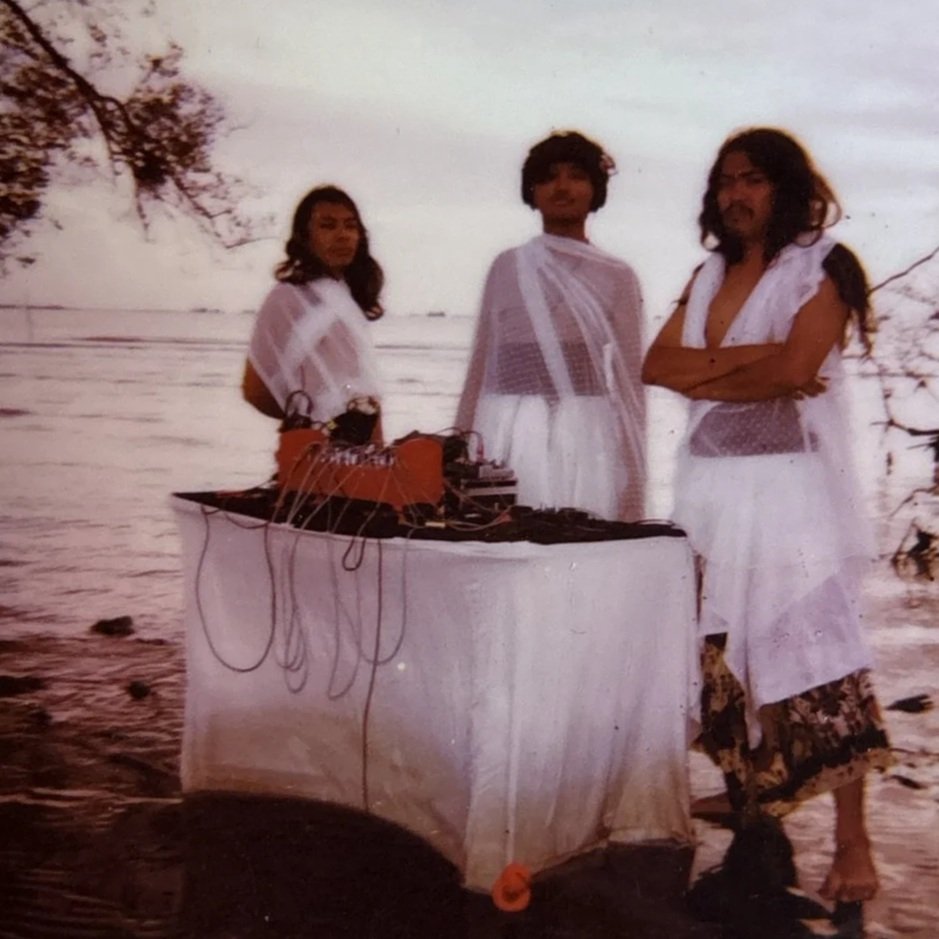
The project incorporates real-time biodata and environmental input translated into sound through Pasax Bumi, a custom modular synthesizer system. The sonic output is generated through live-synced data, meaning what is heard is directly produced in real time from shifting environmental and bodily inputs. This process transforms otherwise invisible data into an audible layer, creating an immediate and dynamic relationship between environment, body, and sound.
Performance
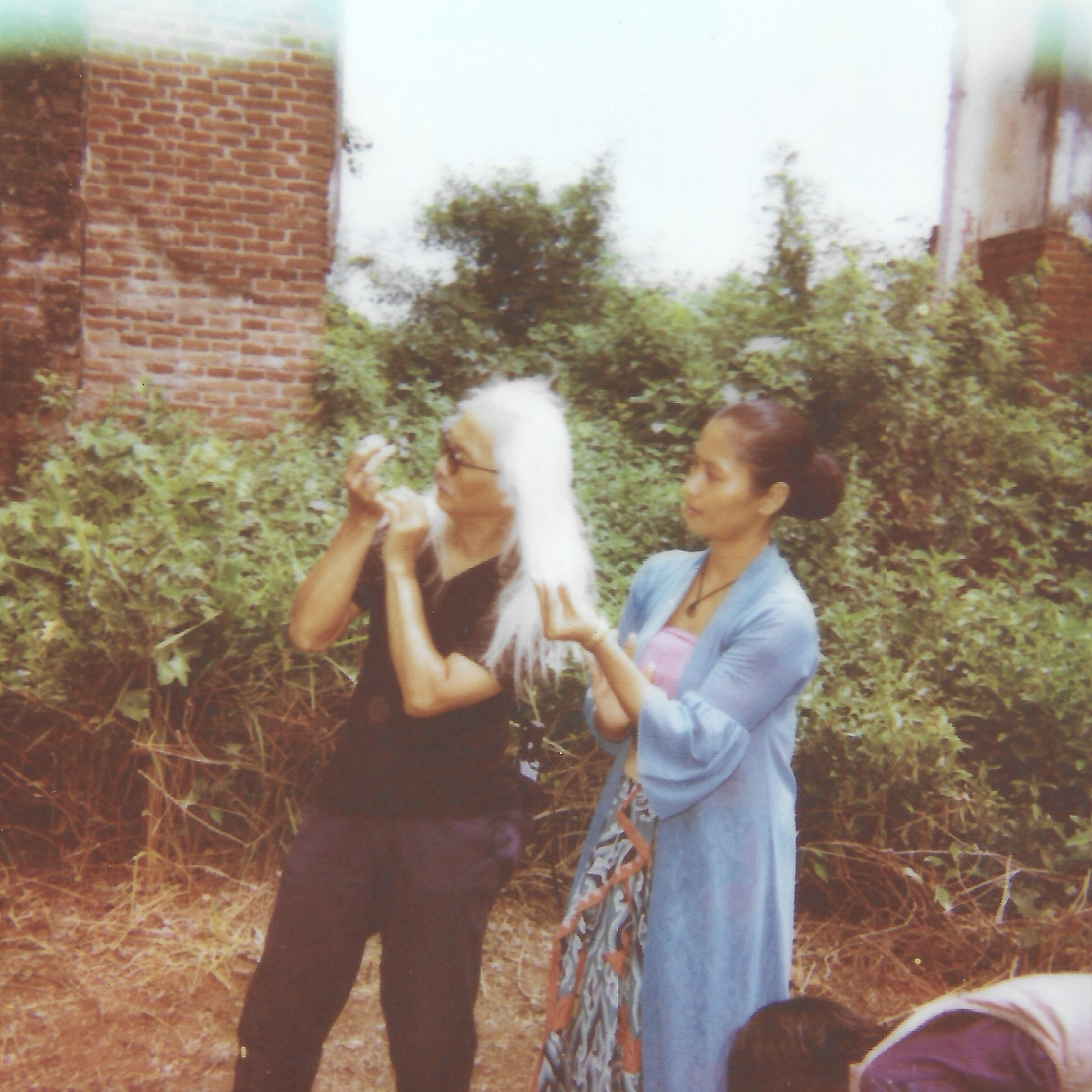
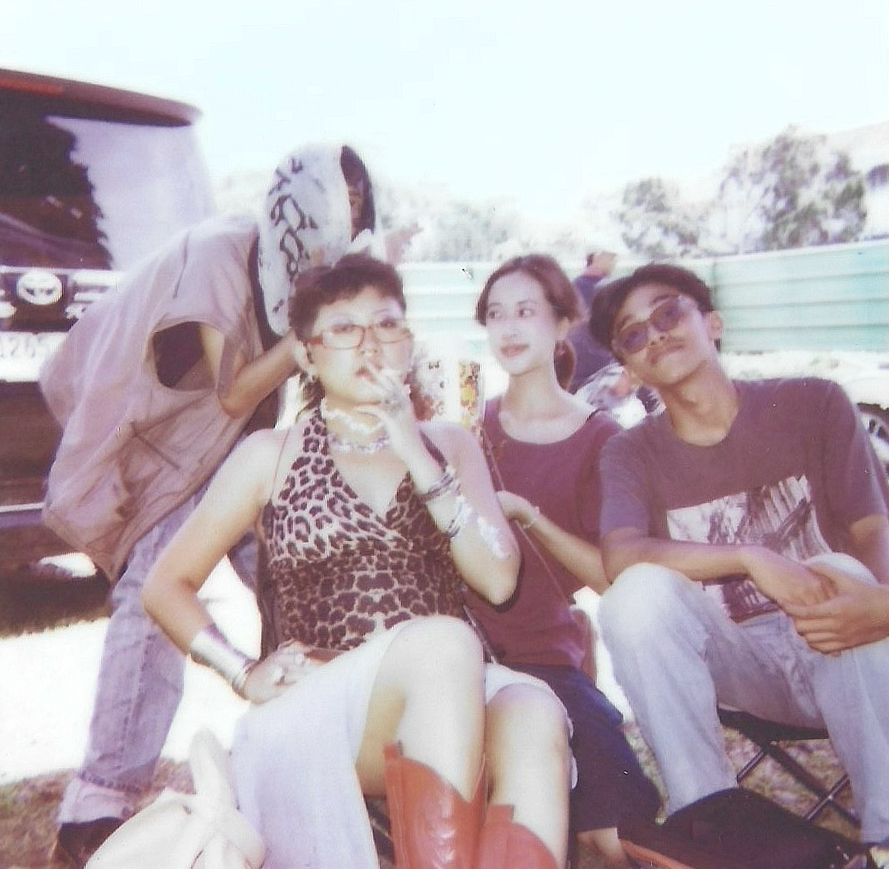
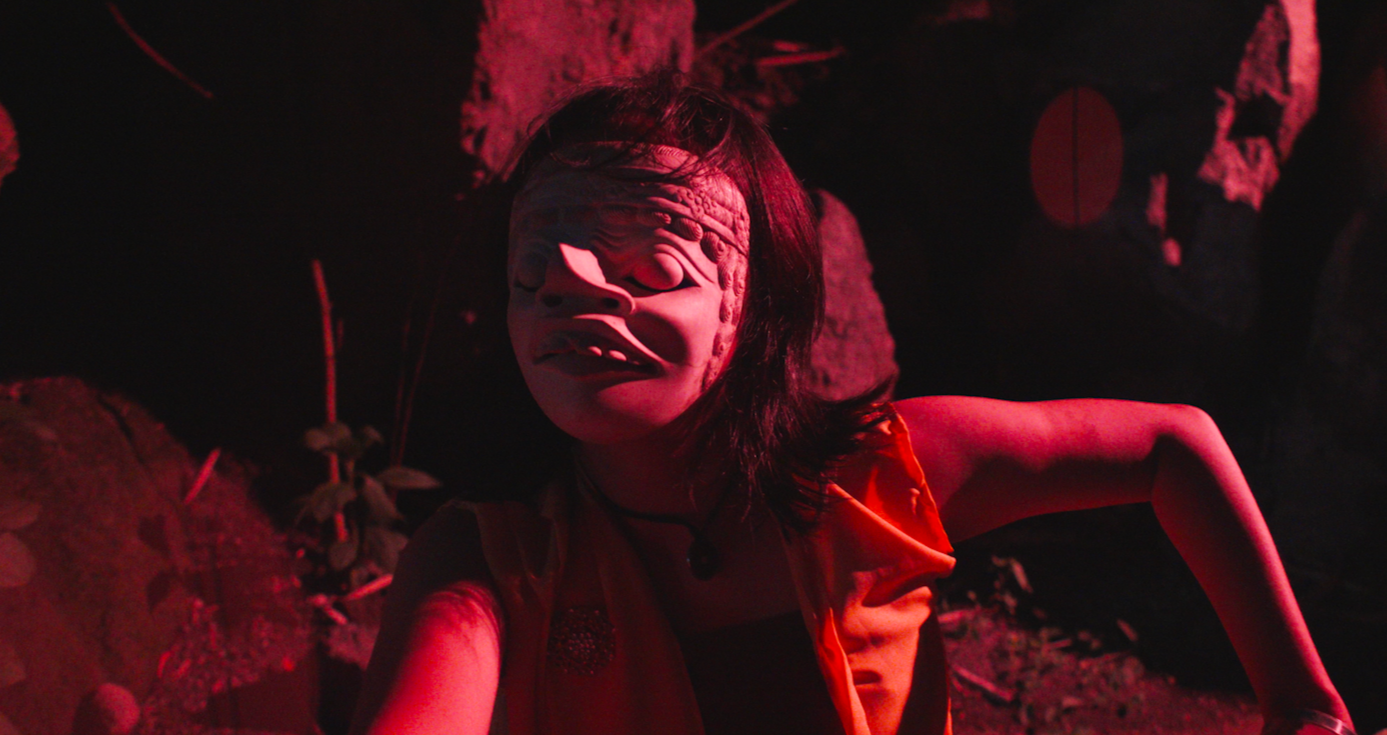
Movement is developed as a bodily response to space and natural surroundings. Performers engage in site-responsive actions, treating the body as both sensor and medium, allowing internal and external stimuli to shape gesture and rhythm.
FIlm/image
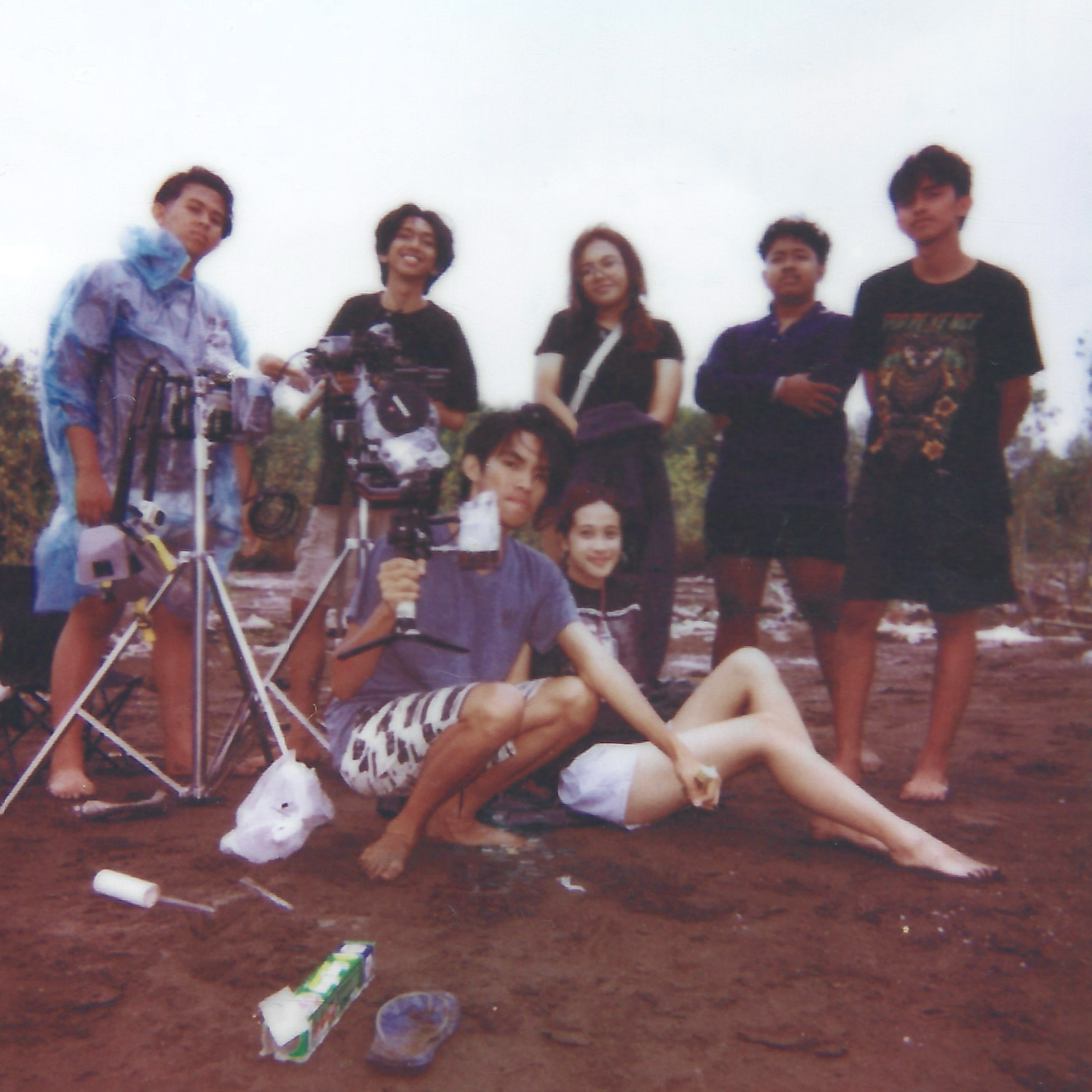
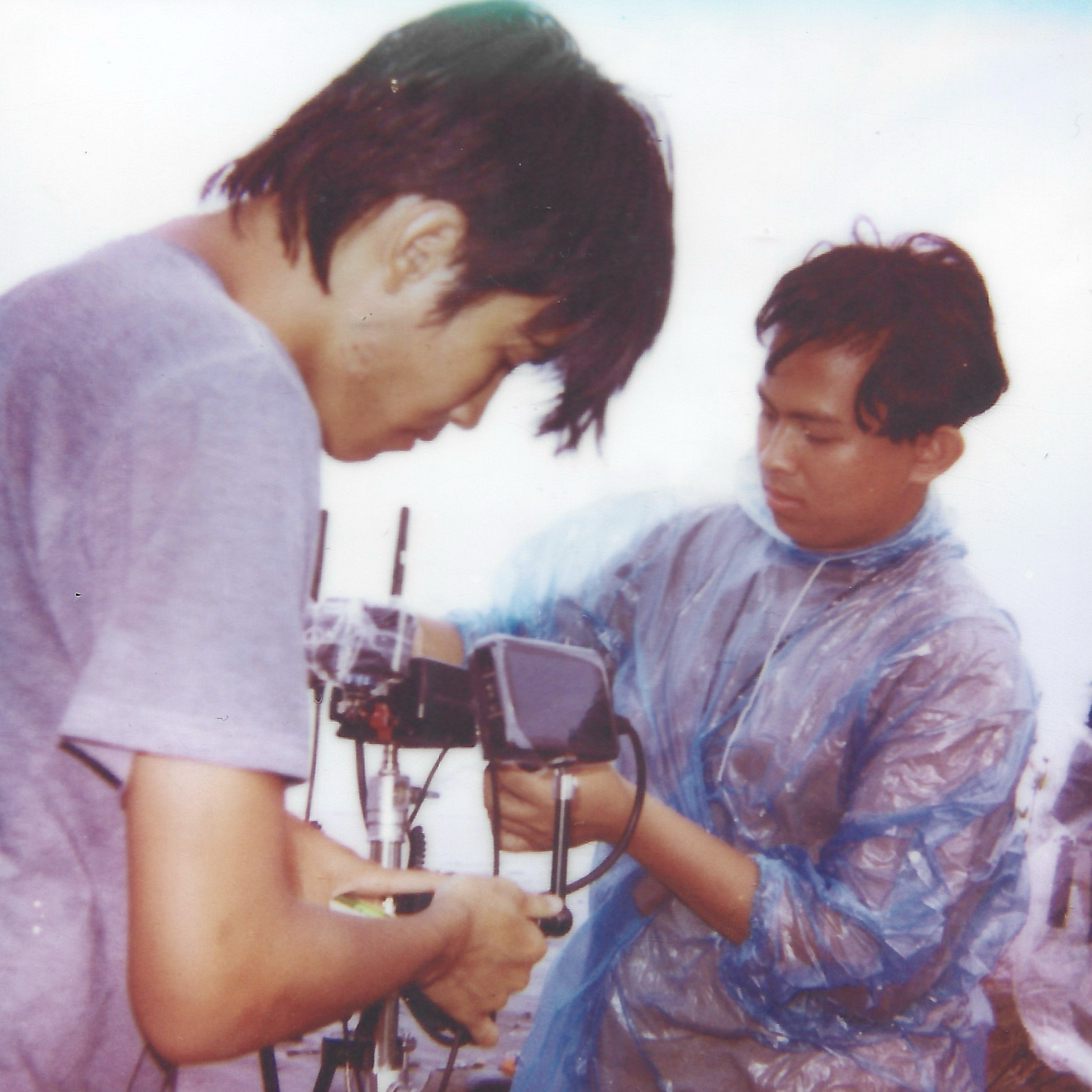
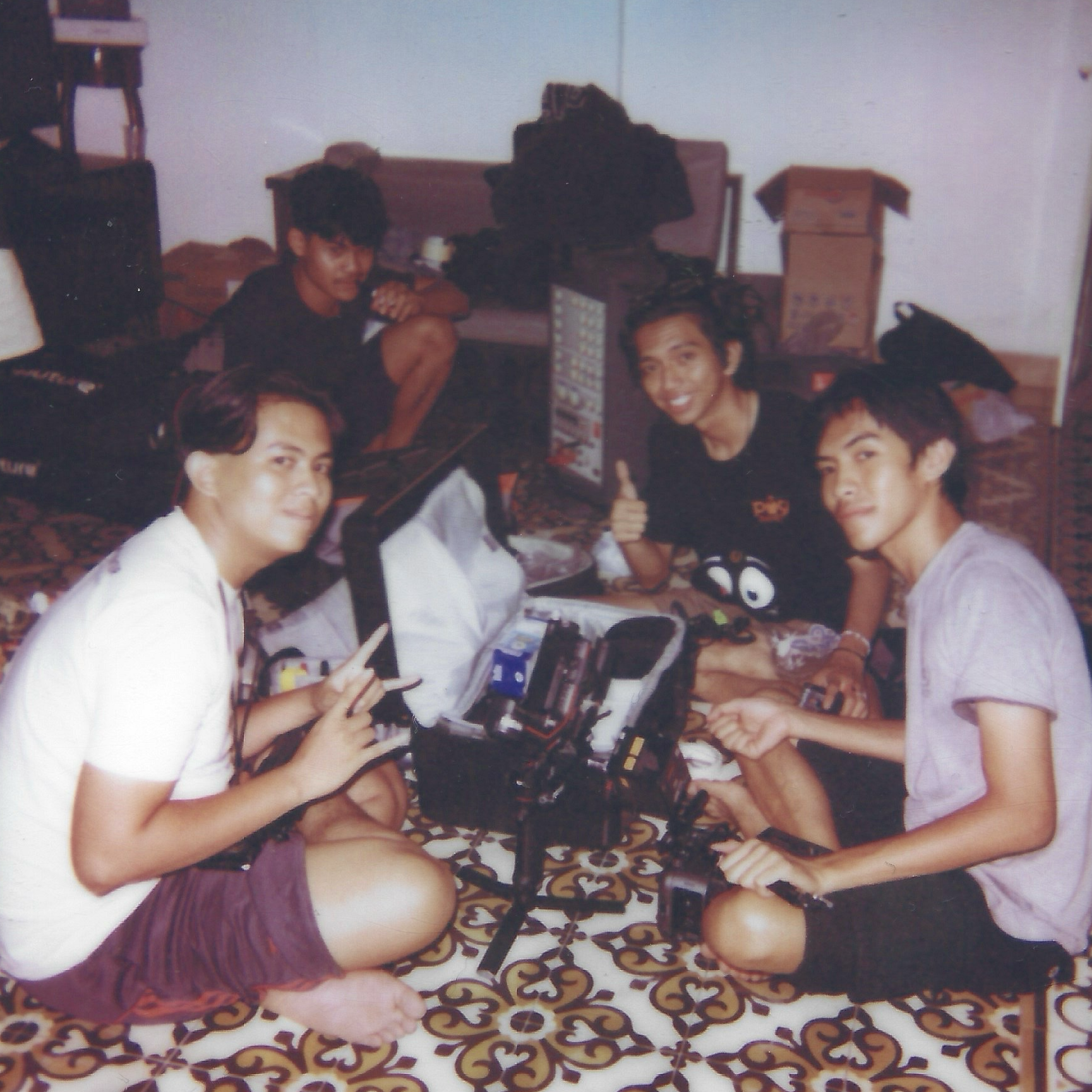
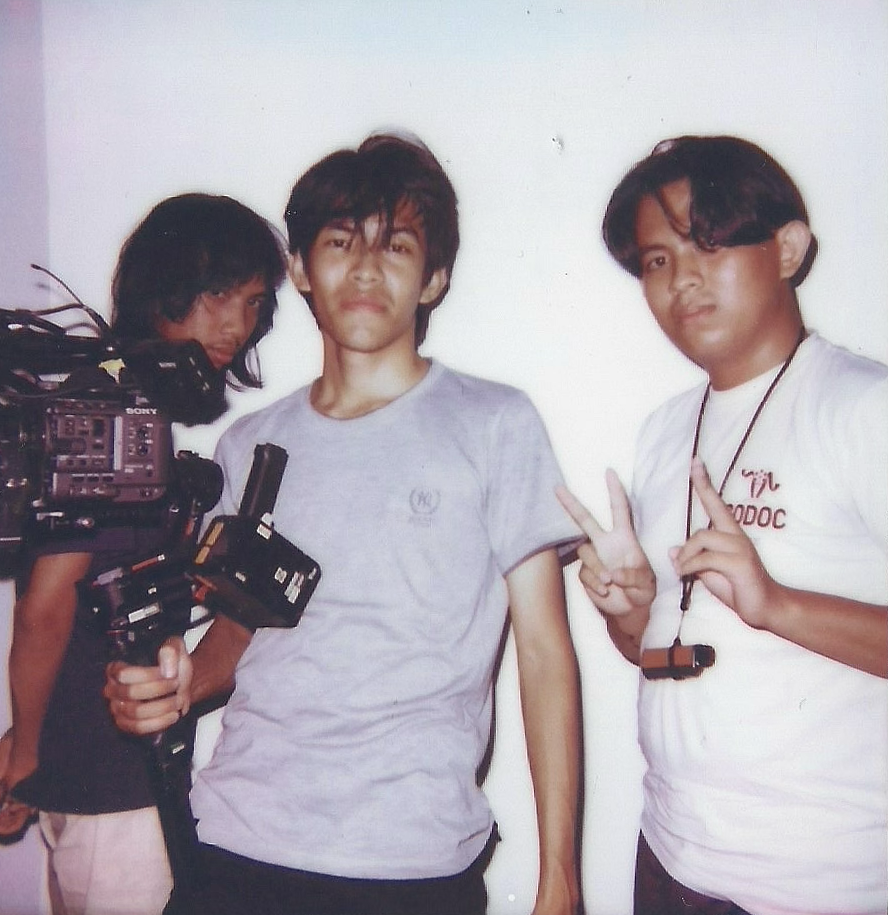
The visual component captures these interactions through an experimental, process-based approach to moving image. The film does not document performance as a fixed event, but rather traces evolving relationships between body, sound, and environment.
COllaboration
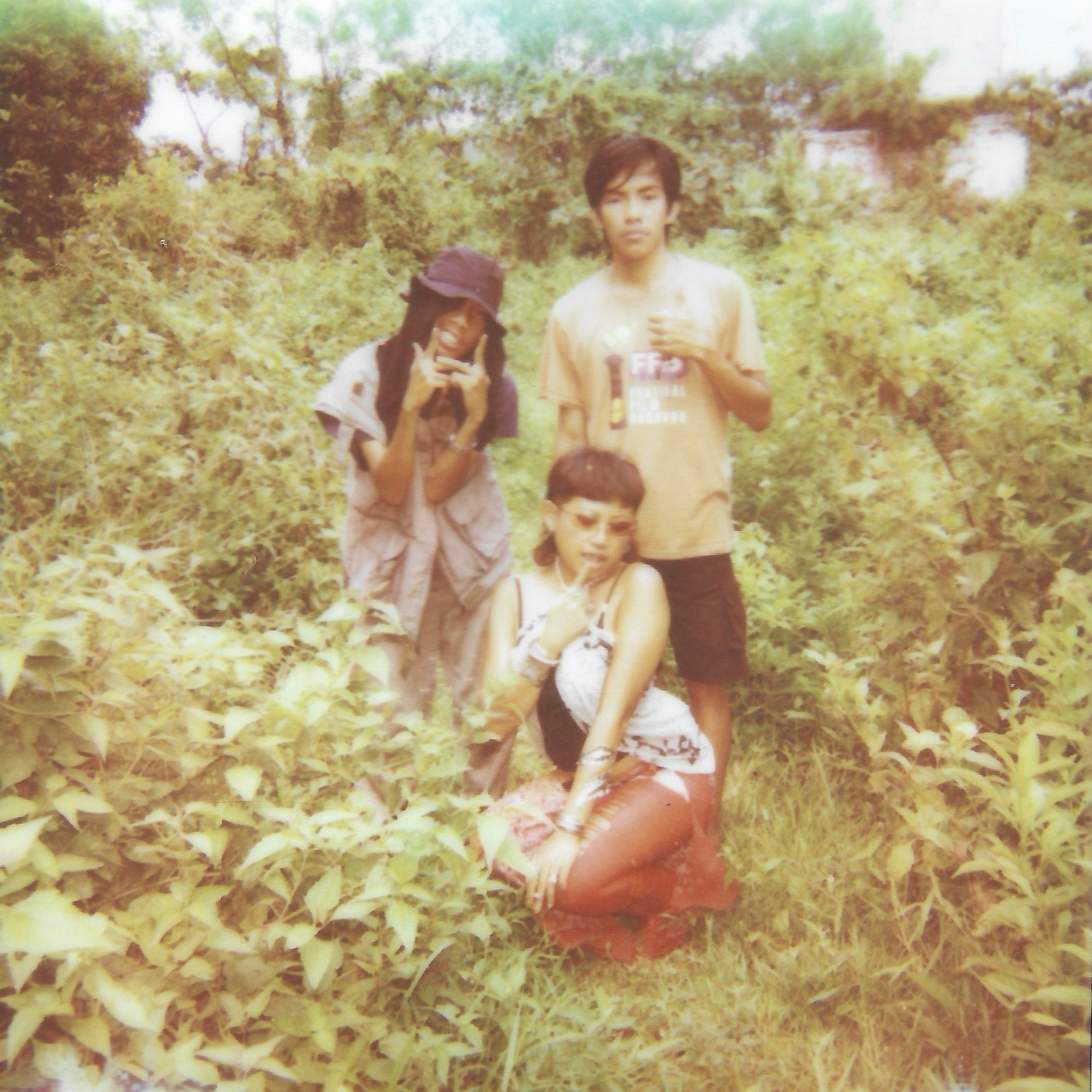
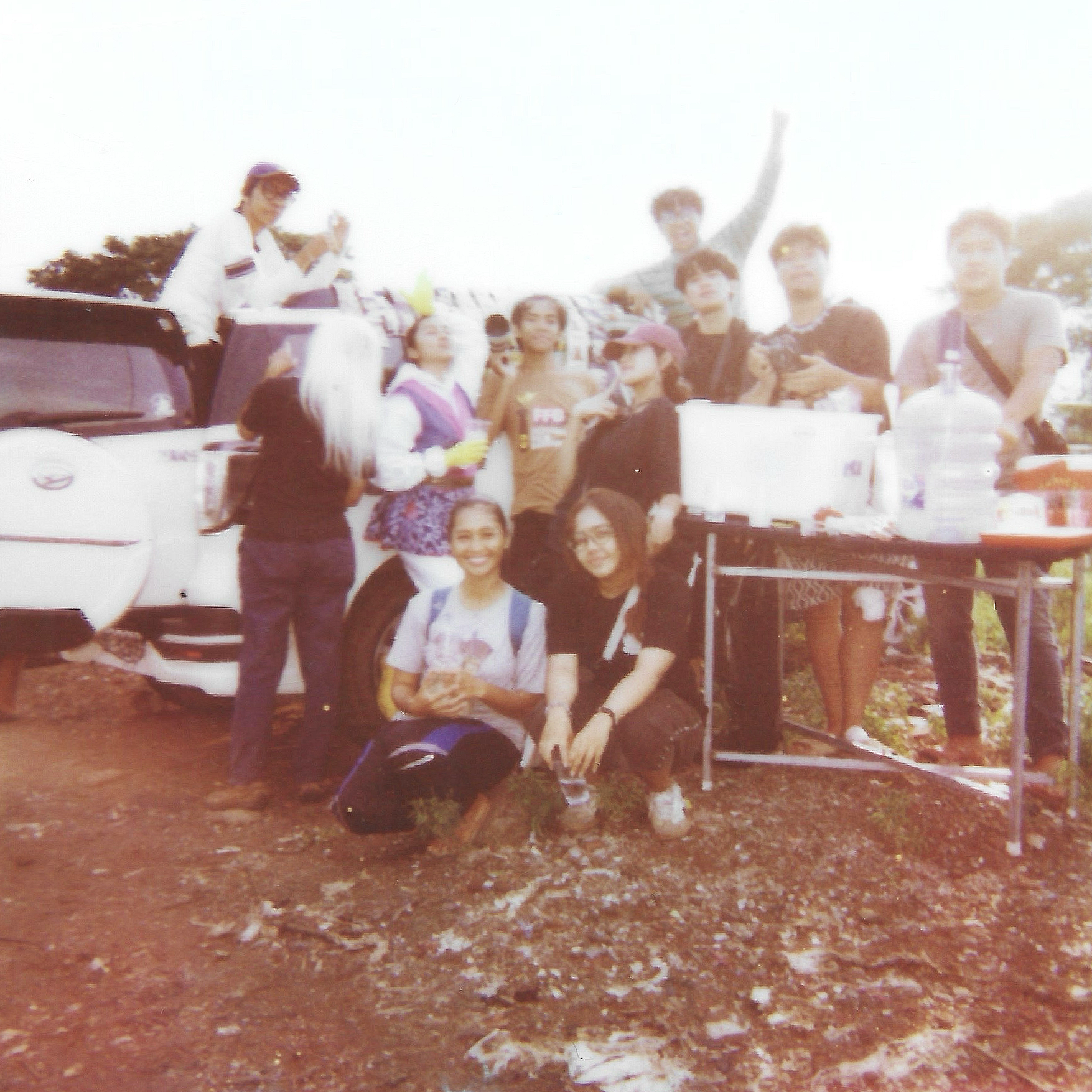
The project involves a cross-cultural research and creative process with participants from Indonesia University of Education (UPI Bandung). Through workshops and collective exploration, collaborators contribute to the development of movement, sound interaction, and conceptual inquiry.
This collaborative structure emphasizes shared authorship, process-driven experimentation, and intercultural dialogue.
Behind the scenes